Old Buildings Expose How Thin Our Version of History Has Become
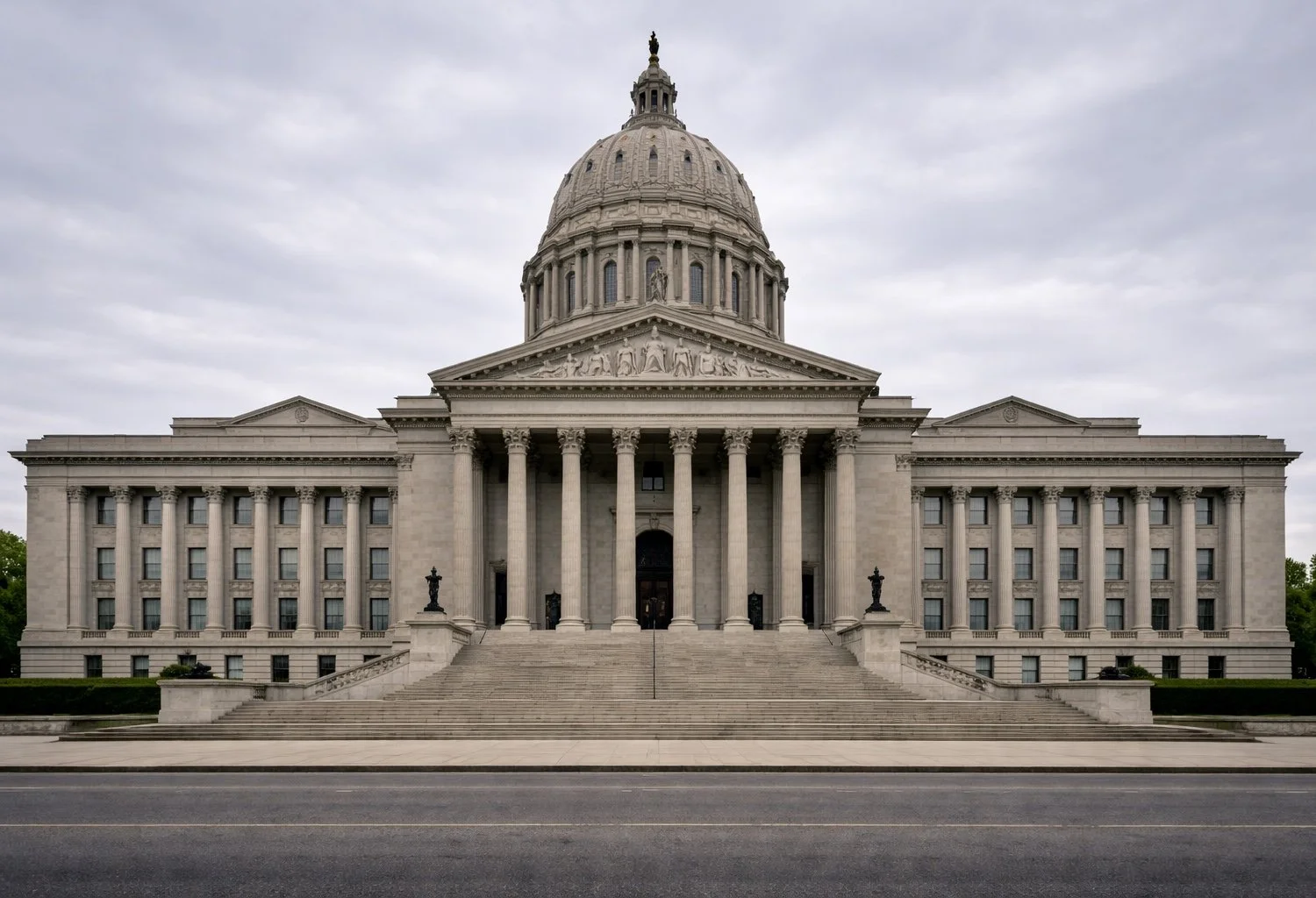
There is a reason old architecture hits people so hard.
Stand in front of an old courthouse, cathedral, capitol, train station, or bank, and the reaction is immediate: this does not match the watered-down version of history I was handed.
That instinct is not irrational. It just usually gets hijacked by irrational people.
I do not mean old buildings prove some erased civilization, secret energy system, or hidden global reset. They do not. That is where curiosity turns into fantasy. But I do think old architecture exposes something real: most people have been given a version of history that is far too thin for the world that was actually built.
That is the disconnect.
We are taught history like a stripped-down timeline. A war here, a president there, an invention, a crisis, a treaty, a few dates to memorize, and move on. The result is a past that feels flat, underpowered, and predictable. Then you stand in front of a massive stone building covered in detail, symmetry, symbolism, and confidence, and suddenly the official summary starts feeling inadequate.
Because it is.
The built world reveals a truth that the simplified narrative often hides: earlier societies were far more organized, ambitious, image-conscious, and institutionally serious than modern people tend to assume. They were not primitive versions of us waiting around for progress to arrive. They were fully formed civilizations with power, hierarchy, money, labor systems, technical skill, and a strong desire to project permanence.
They built accordingly.
That is what old architecture says. Not in theory. In stone.
A building is not just shelter. At the civic level, it is messaging. It tells people what kind of world they are living in. It reflects what a society values, what it fears, what it worships, and what it wants to legitimize. A grand courthouse is not only a place where law is practiced. It is a statement about authority. A capitol is not just office space. It is theater. A cathedral is not merely a gathering place. It is a spatial argument about what is above man and what is expected beneath it.
Modern people often miss this because we have gotten used to buildings that say almost nothing.
Glass boxes. Cheap panels. Low-ceilinged offices. Utility-first schools. Disposable retail strips. Functional, efficient, forgettable. We live in an age that builds fast, builds cheap, and then acts surprised when nothing feels rooted, civic, or meaningful.
Then we look at older structures and call them mysterious.
They are not mysterious. They are just evidence of a level of seriousness we no longer expect.
That is also why world’s fairs and grand public exhibitions matter more than most people realize. Those events were not harmless entertainment. They were controlled environments for shaping public imagination. They packaged technology, empire, culture, power, and progress into a walkable experience. They were not simply showing people what had been made. They were teaching people how to see the world.
That is what architecture does at scale. It educates without asking permission.
The same is true of monuments, museums, capitol grounds, memorials, courthouses, public squares, and ceremonial boulevards. These places are not neutral. They never were. They are part of the story a civilization tells about itself. They tell the public what matters, who matters, what deserves reverence, and what kind of order is supposed to feel natural.
That does not mean history is fake. It means history is curated.
That should not be controversial. Every nation selects, emphasizes, trims, preserves, renames, restores, and reframes. Some buildings are saved because they support the story. Others are neglected because they do not. Some figures are elevated into symbols. Others are buried in footnotes. Public memory is never raw. It is arranged.
The problem is that many people only notice this once the arrangement becomes too obvious to ignore.
Old buildings do that. They interrupt the thinness.
They force a person to confront the possibility that the past was much more than the neat version taught in broad strokes. More capable. More ceremonial. More unequal. More disciplined. More dramatic. More intentional. More committed to shaping the psychology of public life through physical form.
And that is the part worth sitting with.
Because once you see it, you start asking better questions.
Who funded this?
Why was this style chosen?
What kind of authority was it trying to project?
What public behavior was this space designed to encourage?
What vision of society was this building meant to reinforce?
Those are real historical questions. Better than fantasy. Better than cynicism. Better than blind trust.
The worst response to this tension is conspiracy. The second worst is dismissal. The right response is to admit that the story most people receive is too compressed to account for the evidence still standing in front of them.
That is what old architecture does. It does not reveal a secret civilization. It reveals a failure of summary.
It reminds us that the past was not a crude draft of the present. It was a world of institutions that understood image, permanence, hierarchy, symbolism, and public persuasion at a very high level. The buildings remain because they were meant to remain. They were built to outlast the people who commissioned them and to keep speaking after the slogans changed.
And they do.
That is why they still feel powerful. Not because they are proof of some hidden truth, but because they expose how much has been flattened in the version of history we casually repeat.
Sometimes the correction is not to invent a new myth.
It is to admit the old story has been told too small.