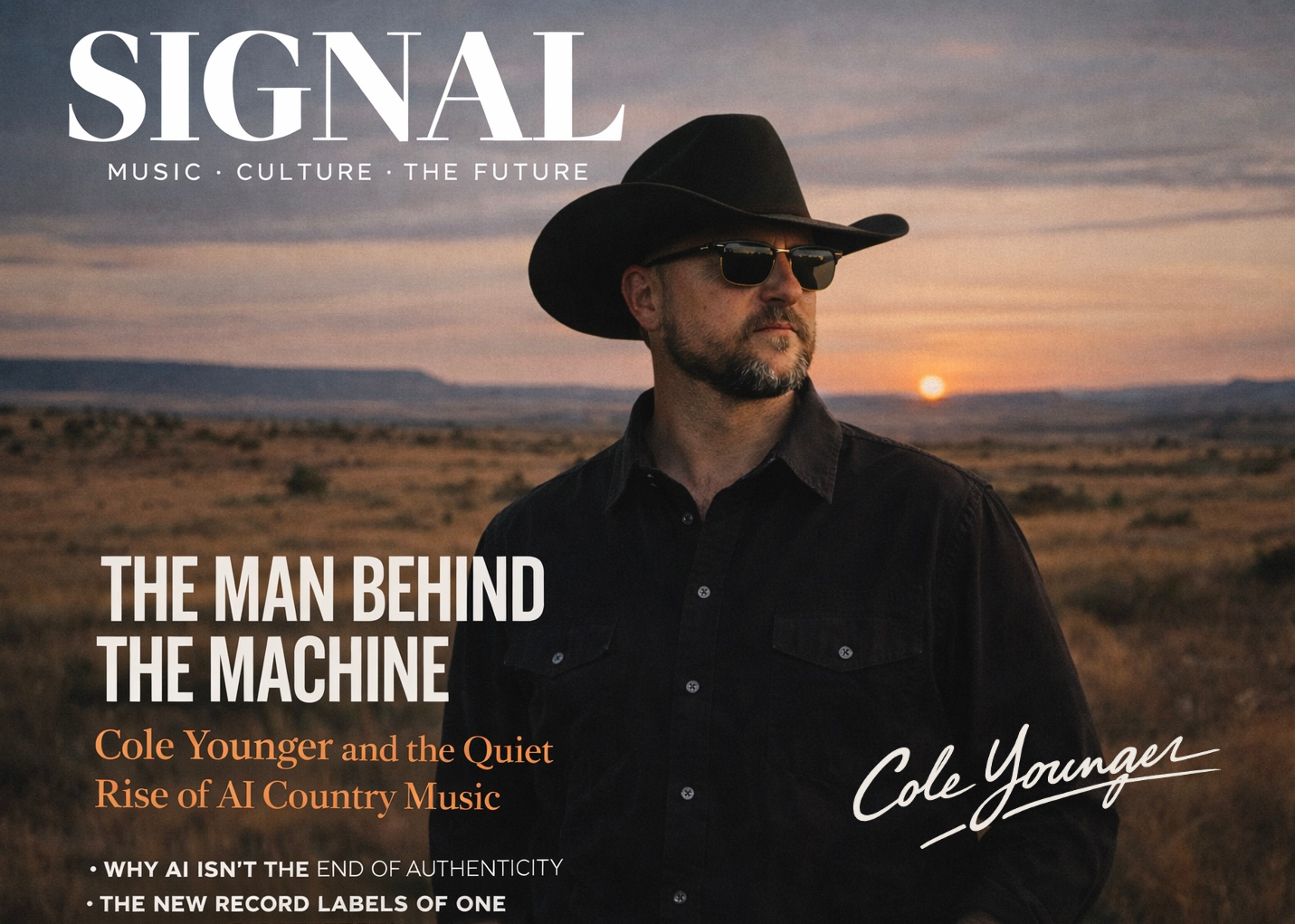
The Man Behind the Machine
Cole Younger and the Quiet Rise of AI Country Music
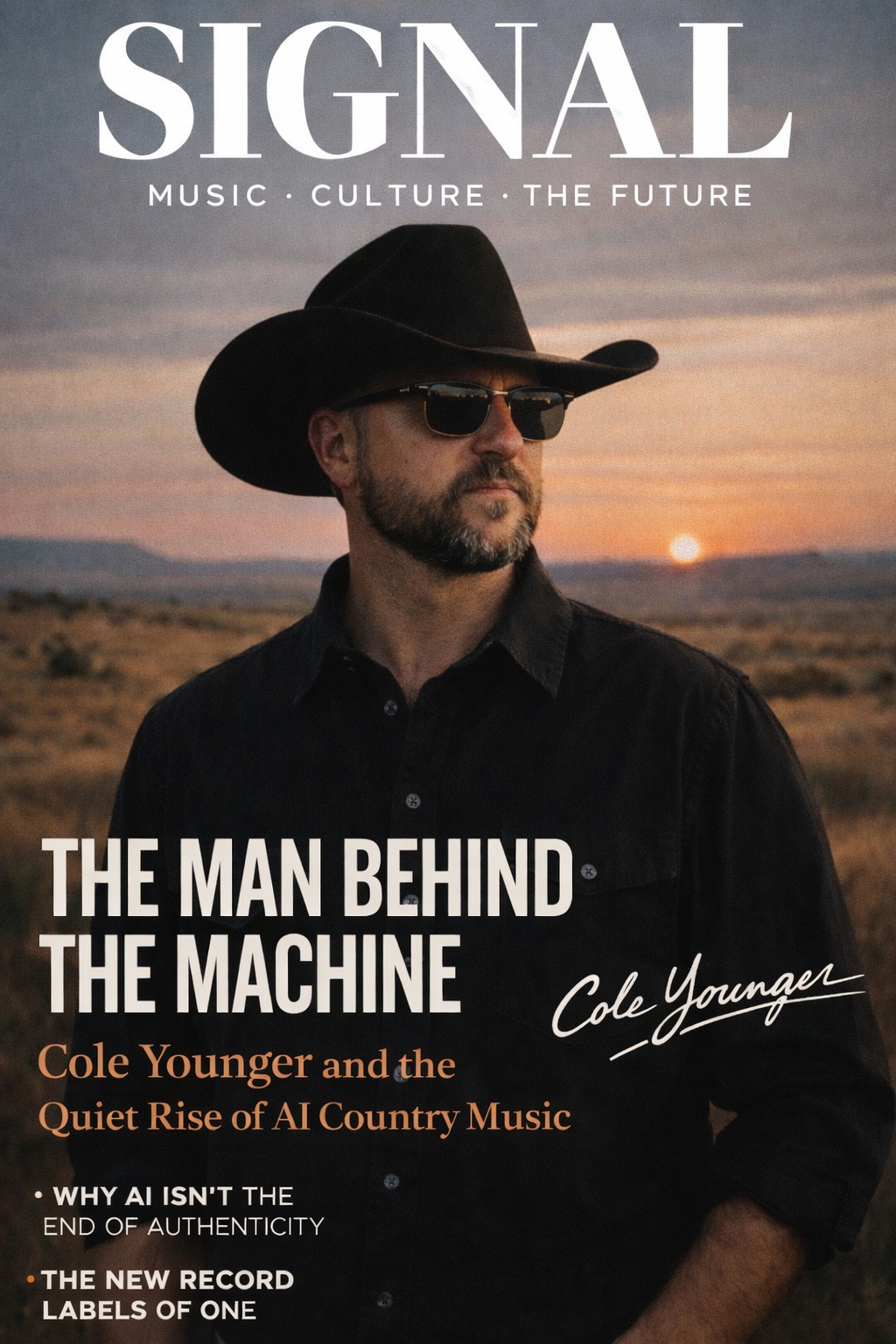
In 2026, as artificial intelligence continues to unsettle nearly every creative industry it touches, country music remains one of the last cultural strongholds fiercely guarding the idea of “authenticity.” And yet, tucked quietly inside that tension is an artist who doesn’t fit the usual caricature of an AI musician — because he never set out to.
Cole Younger is 42 years old. By day, he’s a procurement specialist in the aerospace defense industry. He’s also a husband, a father of two daughters, and a lifelong creative whose relationship with music stretches back more than two decades.
“I’m from Portales, New Mexico,” Younger says. “I’ve lived in Texas most of my adult life — Lubbock, then Amarillo — working on military aircraft, raising a family, building a life.”
Music, however, has always been the constant.
Younger began recording at the turn of the millennium, when home studios first became accessible through early software like Fruity Loops and N-Track Studio. “I made some really bad music for a few years,” he admits, laughing. “Then I slowly started to get the hang of it. My taste improved. My writing improved. My production skills caught up.”
In 2012, he co-founded Roosevelt Road, a project that blended outlaw hip-hop, country, and rodeo anthems long before genre-blurring became fashionable. Over six years, the group released albums at a relentless pace — roughly one every six months — licensed music to rodeo organizations, and built a global streaming audience that eventually reached into the millions.
“It was a real success,” Younger says. “And it was all done the traditional way — writing, recording, producing.”
When Roosevelt Road ended in 2018, Younger continued experimenting with solo work and collaborative projects, including Brakebill Boys, a rodeo-anthem venture that expanded on the foundation he’d already built. Then life intervened.
“I got married. Started a family. And honestly, I stopped making music for years.”
During that creative hiatus, Younger explored videography and storytelling instead — even directing a PBS documentary — before stumbling into something unexpected in mid-2025: AI music generation.
“I was blown away,” he says simply. “Not by the novelty — by how good it sounded.”
AI as Instrument, Not Replacement
Younger is careful about how he describes his relationship with AI.
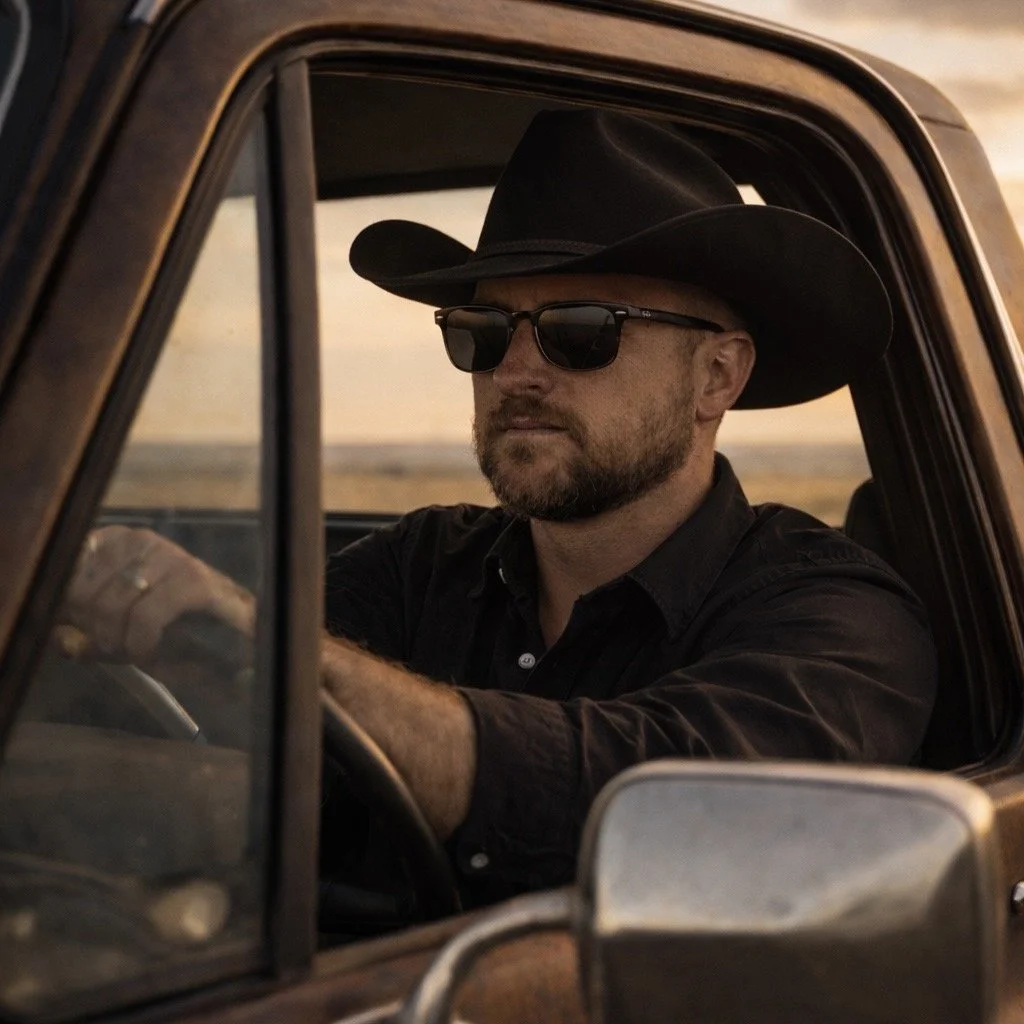
“The AI is the vocals and the instrumentation,” he explains. “But I write the songs. I design the sound. I shape the mood. I treat AI like an instrument — not a replacement for creativity.”
He’s quick to clarify what AI does not do in his process.
“These songs are not creating themselves,” he says. “They come from my life, my taste, my perspective. The AI just helps me realize them.”
The same philosophy extends to his visual work. Much of Younger’s artwork is also AI-assisted, but always directed, curated, and selected by him. “It’s just another tool,” he says. “No different than software was 25 years ago.”
⸻
Reframing ‘Authenticity’ in Country Music
Country music’s resistance to AI is often framed as a defense of authenticity. Younger isn’t convinced the industry’s definition holds up under scrutiny.
“Most people don’t realize how many country artists don’t write their own songs,” he says. “They’re handed material by teams of writers and producers, then step into the booth.”
In contrast, Younger writes every lyric himself, drawing directly from his own life — addiction, recovery, family, ambition, regret, confidence.
“I would argue my music is more authentic than a lot of what gets labeled ‘real country,’” he says. “These are my experiences. I design the sound. I make the final call — alone.”
Technology, he believes, has always been part of music’s evolution. “Understanding that doesn’t make the work less human,” he adds. “It makes it honest.”
Inside the Process
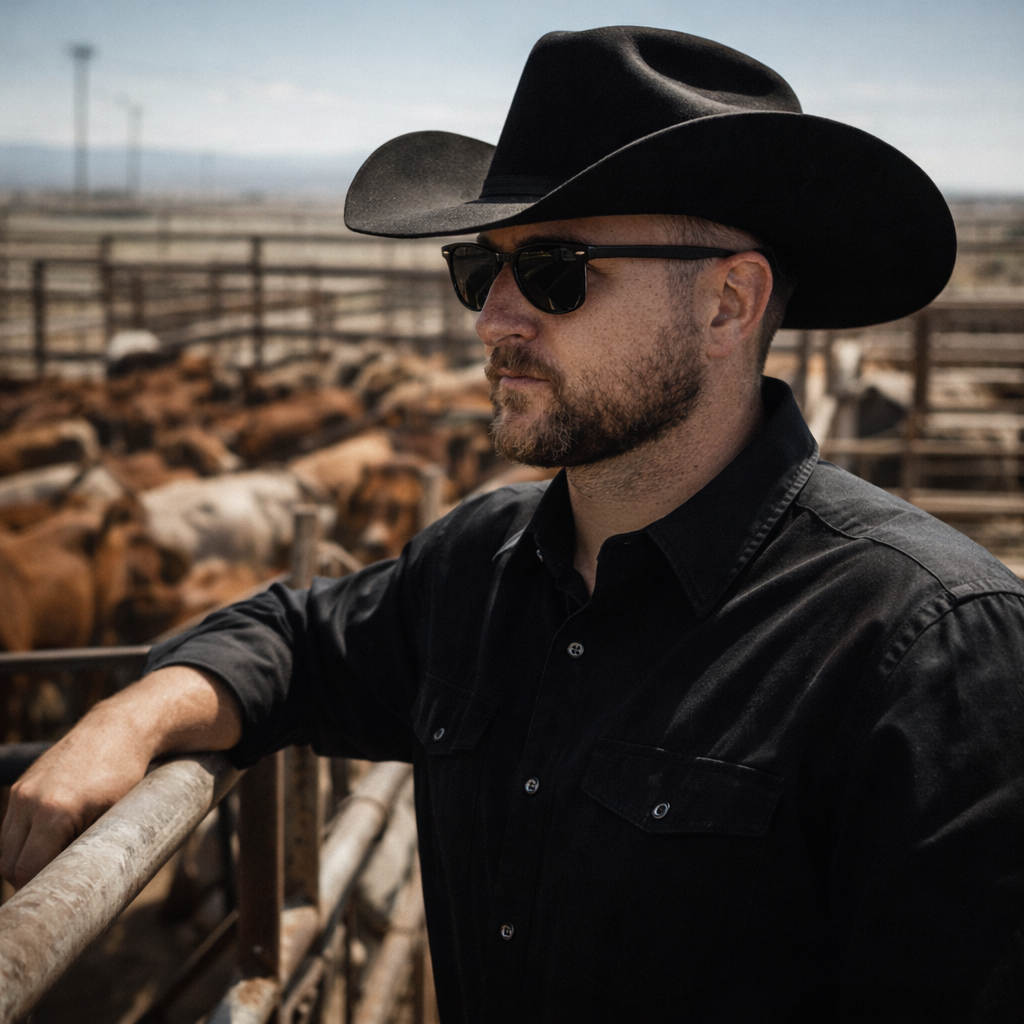
Younger’s workflow is meticulous and obsessive.
“Everything starts with a phrase,” he explains. “A punchline a song can stand on.”
From there, he writes extensively — spilling ideas, angles, perspectives — before using AI to help organize those thoughts into a structured lyrical form. He rewrites relentlessly, adjusting syllables, cutting weak lines, rearranging verses until the song reads clean.
Only then does production begin.
He defines genre, mood, instrumentation, and vocal type, often blending styles — country, hip-hop, EDM, rock — depending on what the song demands. “Production experience matters here,” he says. “I’m constantly redirecting the sound.”
A single track may go through dozens — sometimes hundreds — of generations before everything aligns. Once it does, Younger imports the track into a DAW for final edits and transitions.
“The human part never leaves,” he says. “It’s just applied differently.”
⸻
Why He Doesn’t Perform
Unlike many artists navigating AI music, Younger has no interest in live performance.
“I never enjoyed it,” he admits. “Even back during Roosevelt Road, we got asked to perform constantly. I did some shows, but I was never comfortable.”
The attention, the stage dynamics — none of it appealed to him. “I’m a creator, not a performer,” he says. “This workflow finally matches who I am.”
⸻
Backlash, Praise, and Confusion
The reception hasn’t been simple.
“I lost some relationships over this,” Younger says candidly. “Musician friends who used to give feedback didn’t even want to listen once AI was involved.”
At the same time, praise often arrives under false assumptions. Listeners frequently don’t realize the music is AI-assisted at all. “They assume it’s a real vocalist,” he says. “Then they ask when I’m performing.”
Younger usually deflects. “I don’t feel obligated to explain the technology every time. I want the songs judged as songs.”
To him, the contradiction reveals a bias. “People like it when they don’t know it’s AI, and hate it when they do,” he says. “That tells me the prejudice comes before the listening.”
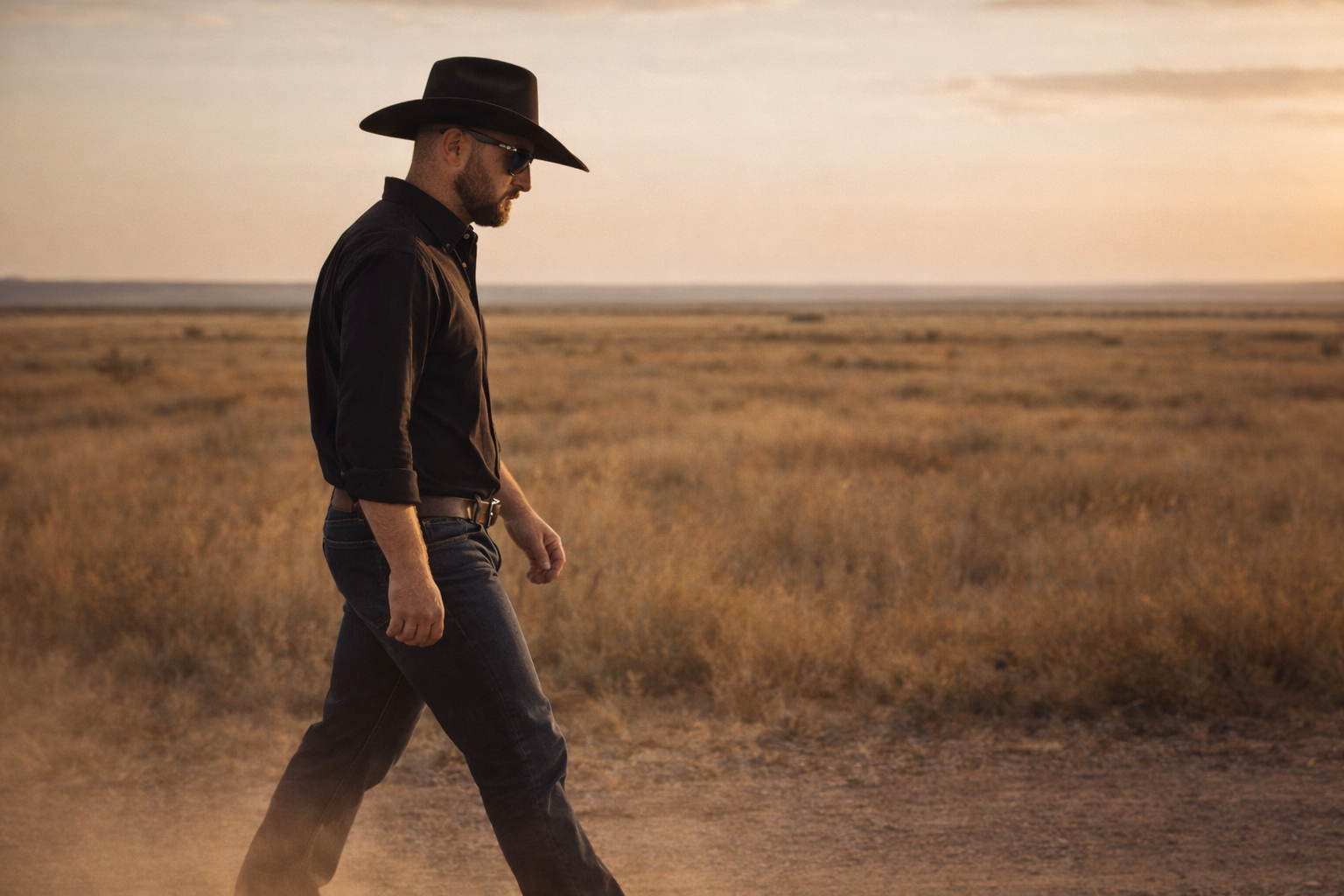
A Split Future for Music
Younger doesn’t believe AI replaces musicians. He believes it reshapes the ecosystem.
“Live performance will always belong to musicians,” he says. “AI can’t replace that.”
But recorded music, he argues, is headed elsewhere. “Production and performance are splitting into two lanes. I’m firmly in the production lane.”
⸻
A Record Label of One
Younger doesn’t call himself a musician. He calls himself a songwriter, producer, and creative director.
“I’m essentially a one-man record label,” he says. “A record label of one.”
Under Roosevelt Road LLC, Younger has released more than 250 songs in seven months — spanning 55 projects, each with its own artwork, mood, and stylistic identity.
“That’s what AI enables,” he says. “A single person replacing an entire ecosystem of departments — if they have the taste and discipline.”
⸻
Recovery, Focus, and Legacy
For Younger, the work is deeply tied to sobriety.
“I learned after addiction that I’m wired differently,” he says. “I need something to push uphill every day.”
Where alcohol and drugs once filled that role, creativity does now. “This is my addiction now — in a healthy way.”
His catalog functions as a public journal. “It’s a chronicle of my life,” he says. “People can learn from my mistakes if they want.”
Success, at this stage, is simple: steady growth. “The music is good. Now it’s about reaching listeners, building relationships, and letting it compound.”
⸻
The Most Human Decision
For all the technology involved, Younger insists the most important moment remains human.
“The hardest part is choosing the one song out of fifty,” he says. “They all sound clean. My strength is knowing what’s great and what’s just okay.”
Taste, he believes, is still the final gatekeeper.
⸻
Beyond the Algorithm
Strip away the AI debate, and Younger hopes listeners focus on something simpler.
“Just feel the song,” he says. “Forget how it was made.”
After 25 years, his mission hasn’t changed.
“I’m still imagining songs. Writing them. Shaping sound through my taste. Writing about my life — addiction, love, loss, family, legacy.”
The machine may have changed.
The voice behind it hasn’t.