Chevrolet FlatLander: I’m Not Building a Custom Truck, I’m Editing One.
For a long time, I thought I was building a custom truck.
Somewhere along the way, I realized I wasn’t.
I was editing.
That realization explained more than just the direction of one project. It explained how I’ve approached nearly every creative thing I’ve ever done.
As a songwriter, I edit lyrics until every line earns its place.
As a filmmaker, I remove everything that distracts from the story.
As a painter, I sand until reflections become uninterrupted.
Without realizing it, I was doing the same thing to my truck.
The Truck Already Existed
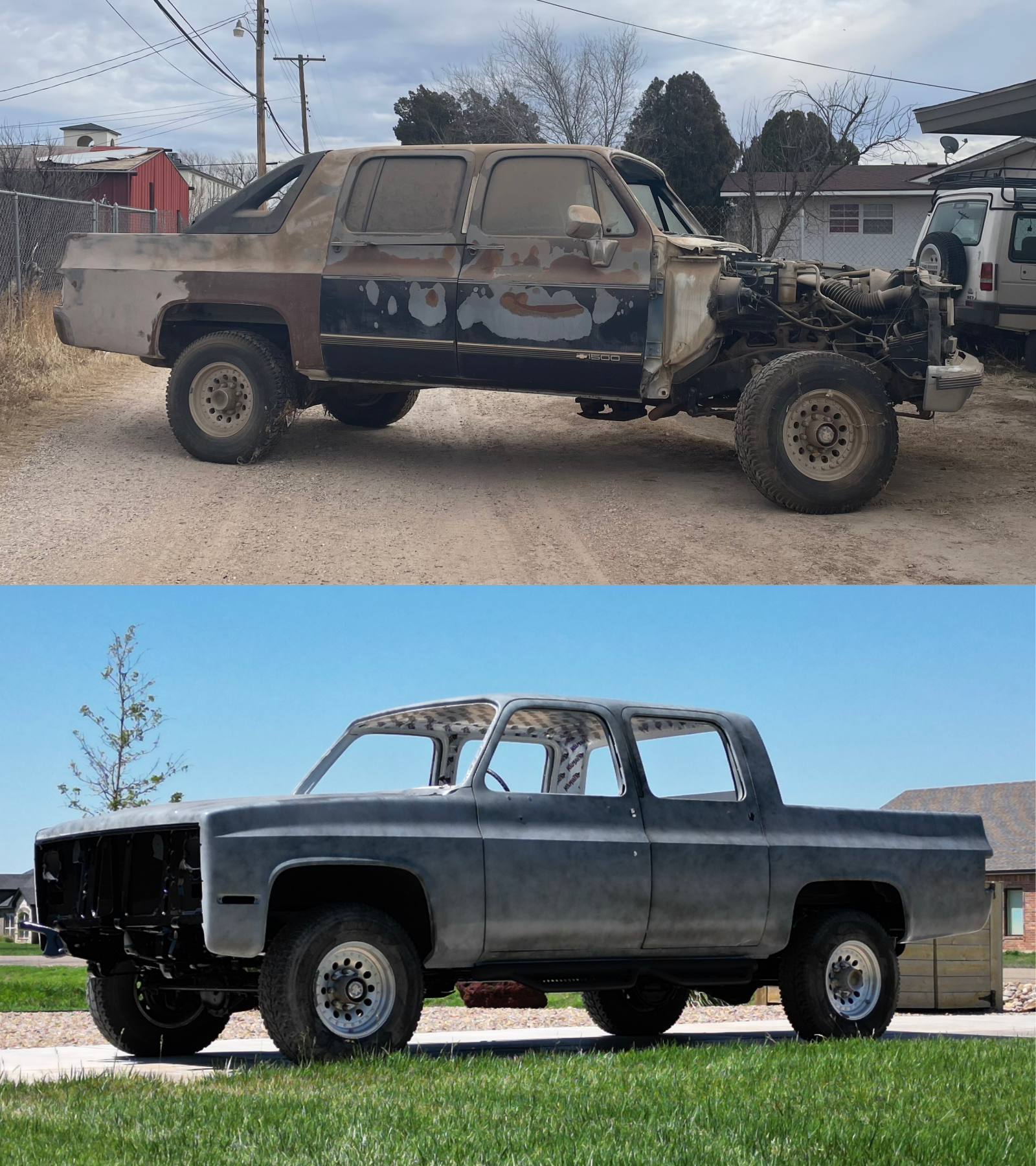
The truck started life as my grandmother’s 1989 Chevrolet Suburban.
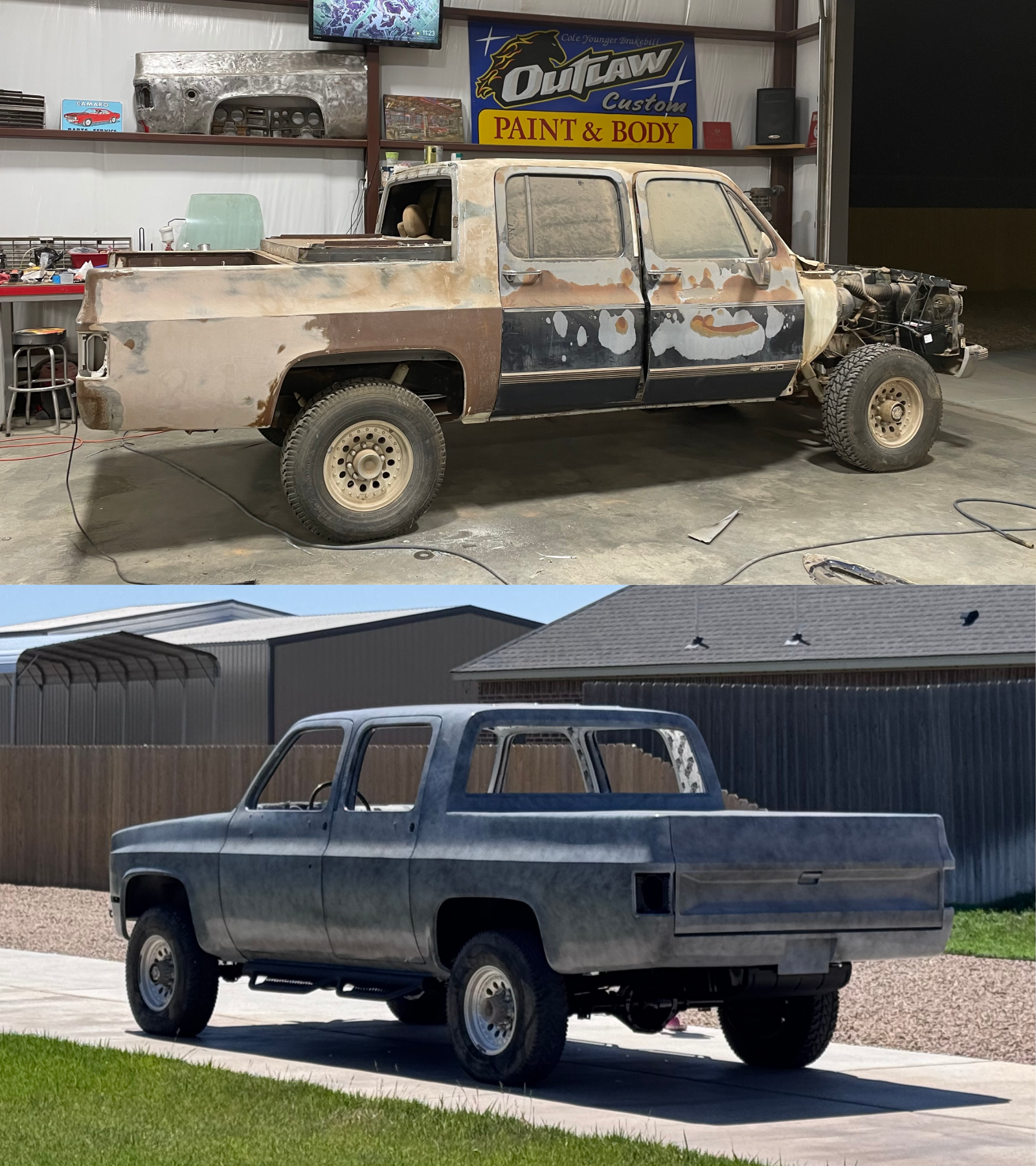
Years later, it became someone else’s ambitious project—a Suburban converted into a pickup—but the build was abandoned. It sat for nearly two decades.
When I bought it, I wasn’t starting with a blank canvas.
I inherited someone else’s work, my family’s history, and a question that had never really been answered.
What should this truck become?
The Wrong Direction Would Have Been Easy
Three years ago, I almost covered the entire truck in textured bed liner.
It would have been practical.
It would have hidden imperfections.
It would have been finished much sooner.
Instead, I waited.
Those three years gave the project time to mature in my mind before I committed to paint.
Looking back, that delay may have been the most important part of the build.
Editing Instead of Customizing
Most custom builds begin by adding.
Bigger wheels.
More chrome.
More horsepower.
More technology.
More attention.
This project became about subtraction instead.
Every decision had to answer one question:
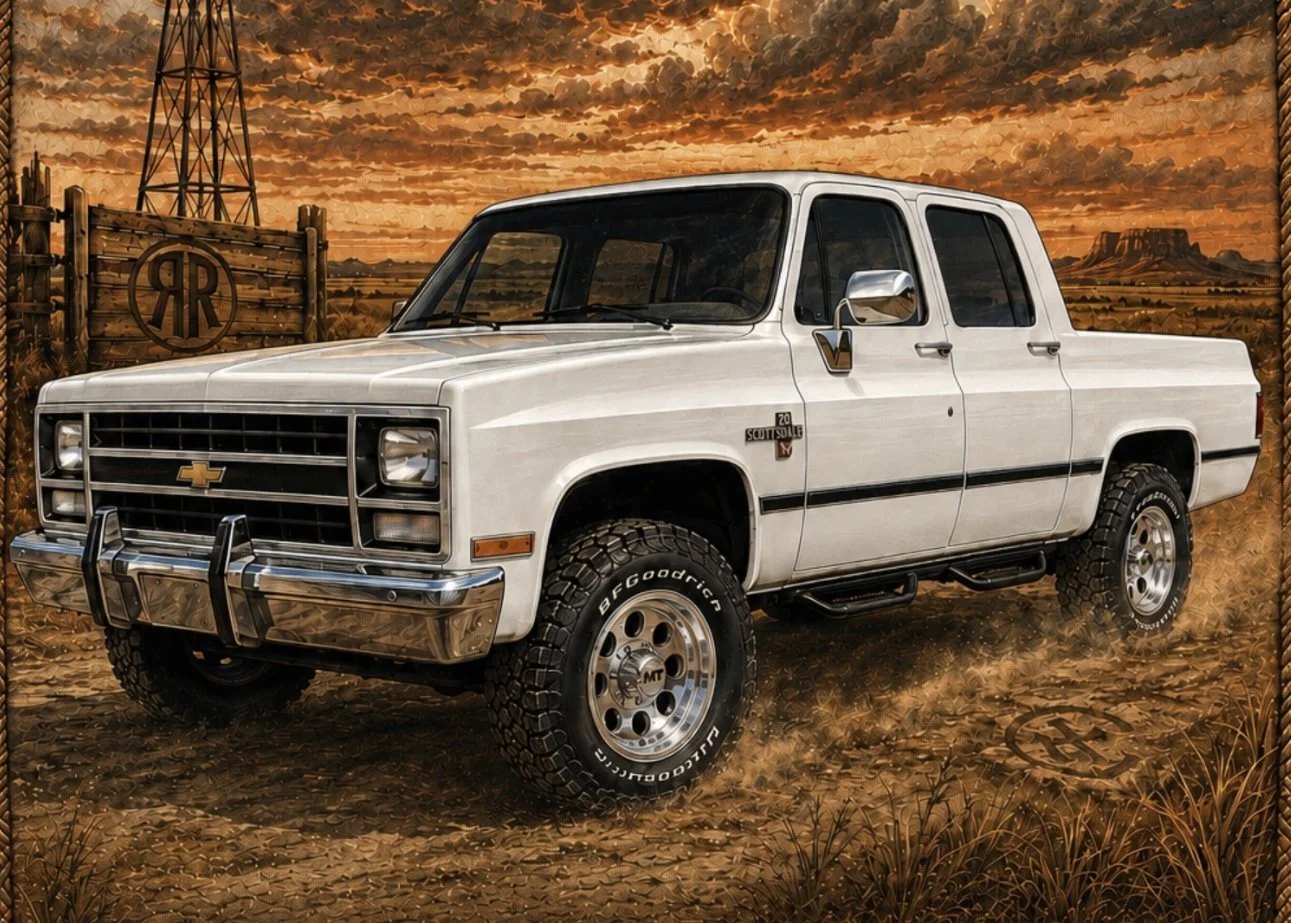
Does this make the truck feel more like something Chevrolet could have built in 1989?
If the answer was no, it didn’t belong.
That philosophy affected hundreds of small decisions.
A one-inch rear wheel spacer.
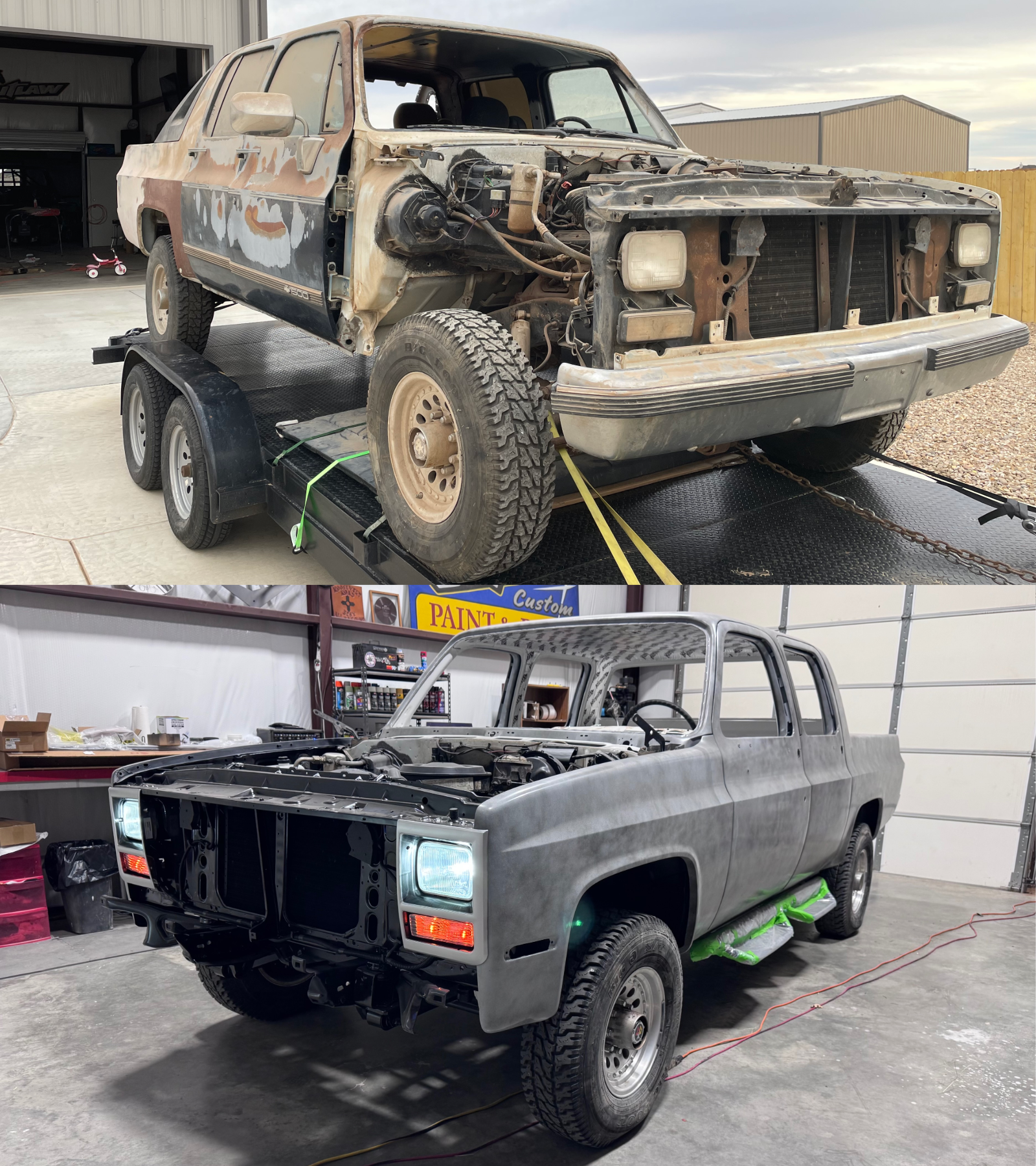
Factory-style LED headlights.
A RetroSound radio hidden behind a stock-looking dash.
USB charging ports concealed in the ashtray.
Factory-style prototype under-hood decals.
A period-correct license plate.
C-pillar interior trim that finishes the body naturally.
Rear wheel well fillers that complete the wheel opening and eliminate the unfinished factory gap.
A tailgate badge that feels like it came from a Chevrolet dealership.
Period-correct wheels wrapped in raised white-letter tires.
Stock ride height.
A classic interior with period-correct styling.
None of those parts are meant to become the focal point.
They’re meant to disappear.
That’s editing.
A Truck That Doesn’t Fit a Category
I’ve searched for trucks like this.
I’ve found plenty of restored square bodies.
I’ve found lifted trucks.
Lowered trucks.
Restomods.
Suburban pickup conversions.
Show trucks.
What I haven’t found is another build chasing the same idea.
Not a concept truck.
Not a fantasy.
A believable factory prototype.
A truck that makes people stop and wonder:
“Did Chevrolet actually build this?”
That question became the entire design language.
The Name
Even the name follows the same philosophy.
FlatLander.
It doesn’t sound modern.
It doesn’t sound forced.
It sounds like something that could have appeared in a Chevrolet brochure in 1989.
Quiet.
Simple.
Regional
Intentional
The Real Build
The bodywork will eventually be finished.
The paint will cure.
The parts will all be installed.
But the real project wasn’t the fabrication.
It was discovering the design philosophy.
I didn’t spend years figuring out how to customize this truck.
I spent years editing it until everything unnecessary disappeared.
When people eventually see the finished FlatLander, I hope they don’t notice any single modification.
I hope they simply look at it and think:
“That just looks right.”
If they do, the editing worked.