The Singularity Isn’t Coming for Music

It’s Already Here — and It’s Changing Who Gets to Create
There’s a word that gets thrown around a lot in tech circles: singularity.
The moment when tools become powerful enough that the rules change — quietly at first, then all at once.
Music is in one of those moments right now.
Not because machines are “replacing artists.”
But because power is shifting — who can create, how fast ideas become records, and who gets to decide what’s worth hearing.
And like every major shift in music history, it’s being met with equal parts excitement and fear.
The Current AI Music Moment (Without the Hype)
Let’s be honest about what’s actually happening.
Major labels have already begun experimenting with:
• Virtual or AI-assisted artists
• Digitally native personas
• Scalable, controlled intellectual property
• Artists who can release faster, adapt quicker, and test ideas cheaply
Some of these experiments have gone badly.
Some have sparked backlash.
Some were quietly shelved.
And critics are right about a few things:
• Exploitation is a real concern
• Voice cloning without consent is dangerous
• Devaluing human labor is not acceptable
• Art without accountability feels hollow
Those criticisms matter. They should exist.
But here’s the part that often gets missed:
Every major technological shift in music looked unethical, soulless, or dangerous at first.
Recording itself was once considered the death of live musicians.
Sampling was called theft.
DAWs were accused of destroying “real musicianship.”
Auto-Tune was mocked before it reshaped pop and hip-hop forever.
The problem isn’t the tool.
The problem is who controls it, and why.
How AI Music Is Actually Being Made
Despite the headlines, there is no button labeled “Make Hit Song.”
What’s happening instead looks more like this:
• An artist starts with a concept, emotion, or story
• AI tools assist with structure, sound exploration, or iteration
• The human makes the final decisions — what stays, what goes, what matters
• Songs are refined, rewritten, remixed, or discarded entirely
• Taste still wins. Vision still wins.
AI doesn’t remove authorship.
It compresses the distance between idea and execution.
And that compression is where the power shift lives.
What Labels Are Really Chasing Right Now
It’s not “AI music.”
It’s momentum, volume, and optionality.
Labels are watching artists who can:
• Generate a lot of material
• Test ideas quickly
• Pivot styles without waiting six months
• Build catalogs instead of chasing singles
• Understand branding, visuals, and narrative holistically
They’re less interested in perfection and more interested in signal.
What’s sticking?
What’s evolving?
What’s alive?
The uncomfortable truth for the old system is this:
When creation becomes faster and cheaper, gatekeeping loses leverage.
Where I Fit Into This (And Why I’m Not Afraid of It)
I’ve been making music for 25 years.
I came up on:
• Early DAWs
• Trial-and-error production
• Long nights finishing songs no one would hear
• Learning taste the slow way
Today, I’m a father.
I have a full-time career.
I don’t live in a studio bubble.
And somehow — because of these tools — I’m able to:
• Conceptualize a song
• Co-write with AI assistance
• Shape it into a legitimate record
• Release it
• Learn from it
• Improve the catalog
• Do it again tomorrow
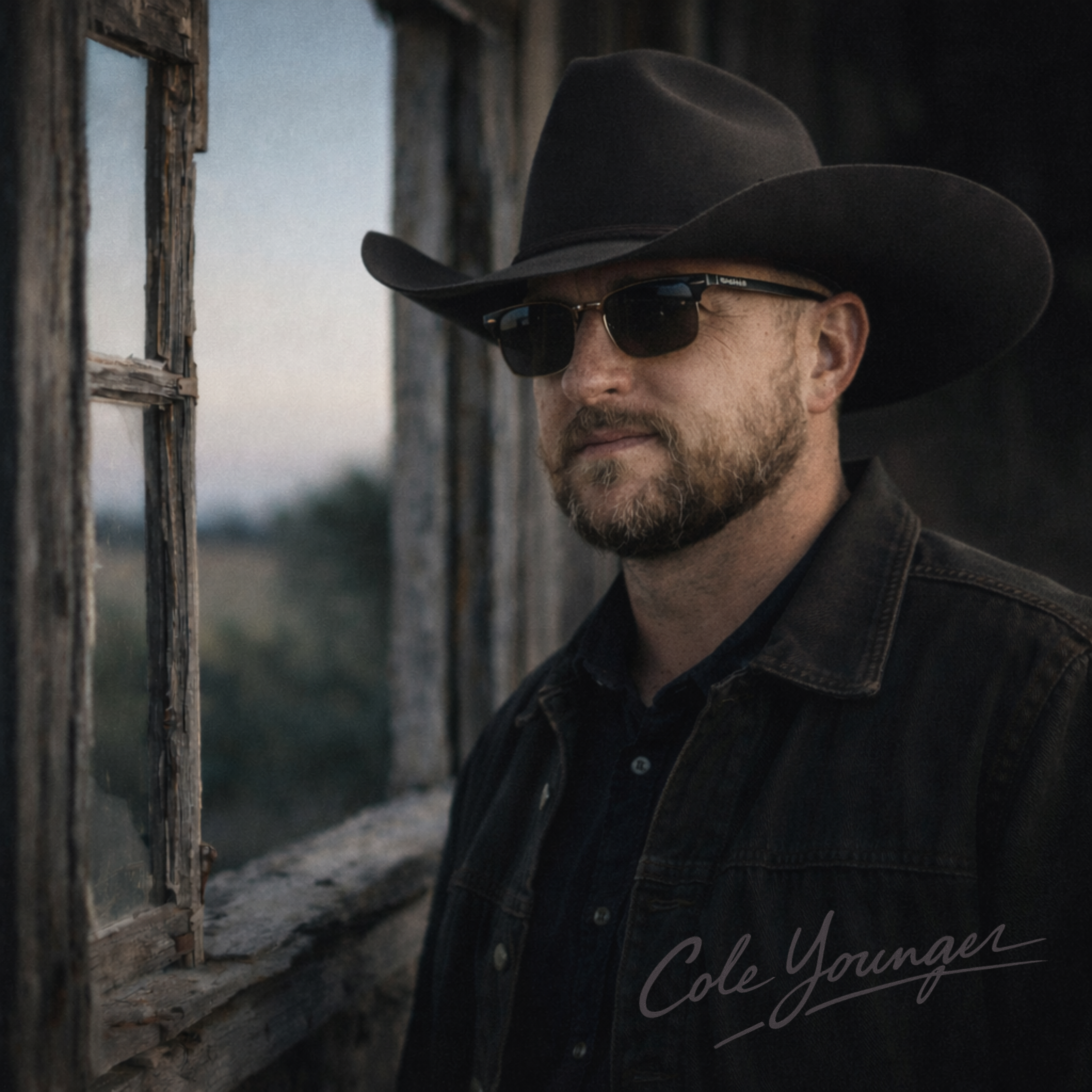
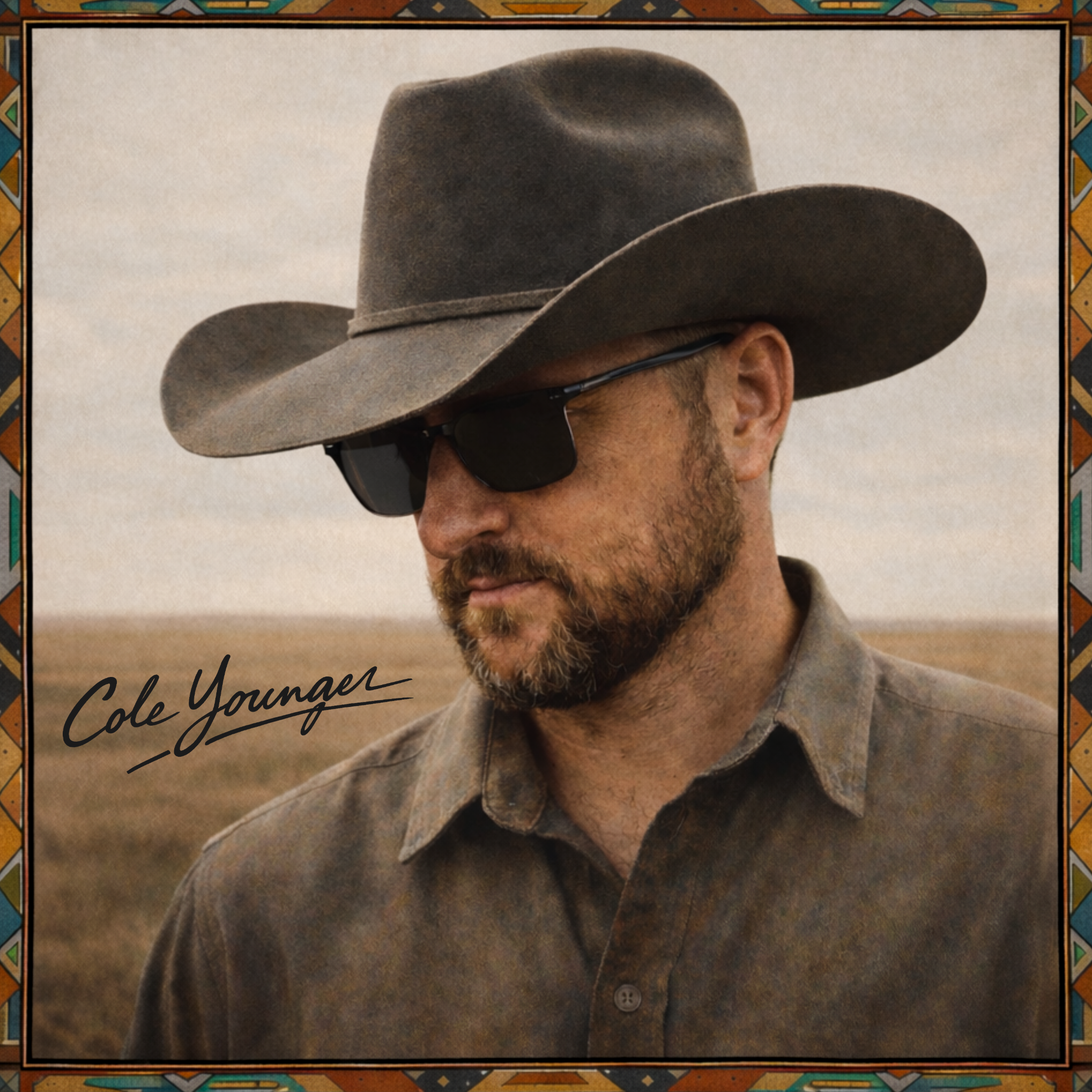
Over the last seven months under Cole Younger, I’ve created:
• ~225 total tracks
• 25–30 that I genuinely believe are spectacular
• A living catalog that’s constantly being refined, deleted, remixed, and improved
This isn’t content spam.
It’s craft accelerated by experience.
The Catalog Is the Art Now
What I’m building isn’t a moment — it’s an ecosystem.
Country, hip-hop, house, soul, blues, folk, bluegrass, Native American textures — all filtered through a Southwestern lens that feels singular because it is.
The catalog breathes.
It evolves.
It gets better.
Older tracks disappear.
New ones replace them.
Artwork updates.
Mixes improve.
That fluidity used to require a team, a budget, and permission.
Now it requires taste, discipline, and consistency.
How I Stand Apart From “AI Artists”
I’m not hiding behind a character.
I’m not outsourcing responsibility.
I’m not chasing novelty.
I’m using AI the same way musicians have always used tools:
• To move faster
• To get closer to the idea
• To remove friction between imagination and reality
The difference is I already know what a good song is.
AI didn’t give me that.
Time did.
The Real Shift Nobody’s Saying Out Loud
This isn’t about AI replacing musicians.
It’s about artists no longer needing permission to become prolific.
When output increases, the value shifts from scarcity to discernment.
From access to judgment.
From gatekeeping to taste.
And the artists who survive this era won’t be the ones who scream the loudest about AI.
They’ll be the ones quietly:
• Shipping
• Learning
• Refining
• Building catalogs that compound
Where This Is Headed
The future of music won’t be purely human or purely machine.
It will belong to artists who:
• Know who they are
• Understand tools deeply
• Respect craft
• Aren’t afraid of volume
• Can hold a long-term vision while working in short bursts between real life
That’s the lane I’m in.
Not chasing the singularity —
but using it to finally work at the speed I’ve always thought.
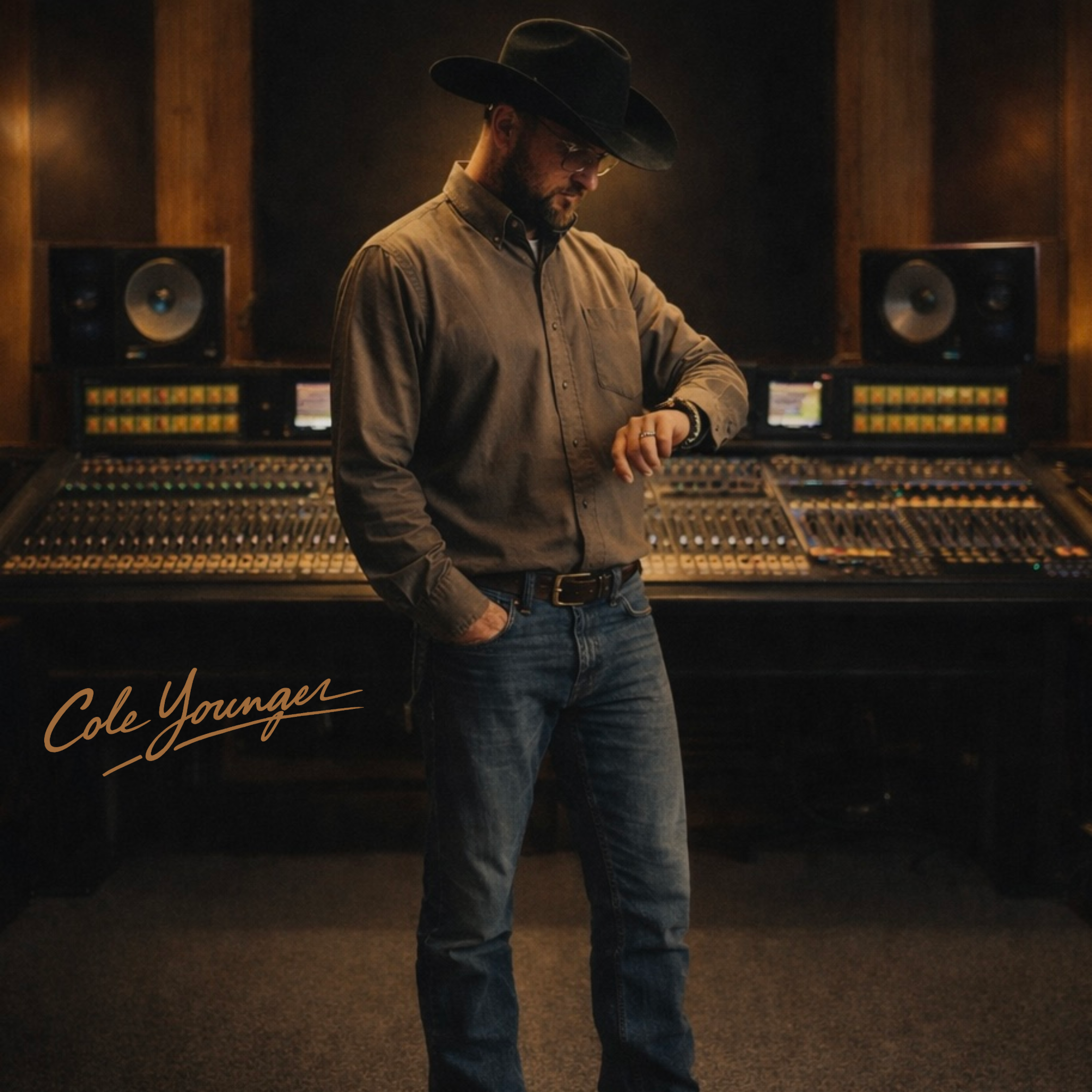
Cole Younger is available everywhere music is streamed…